One theme that runs through our work is how the conserved TOR kinase responds to and mediates the effects of an array of different environmental cues, including hypoxia, nutrients and infection, to control tissue and organismal growth and homeostatic adaptations. We use Drosophila as an in vivo model to dissect how this single pathway is interpreted differently across these different challenges.
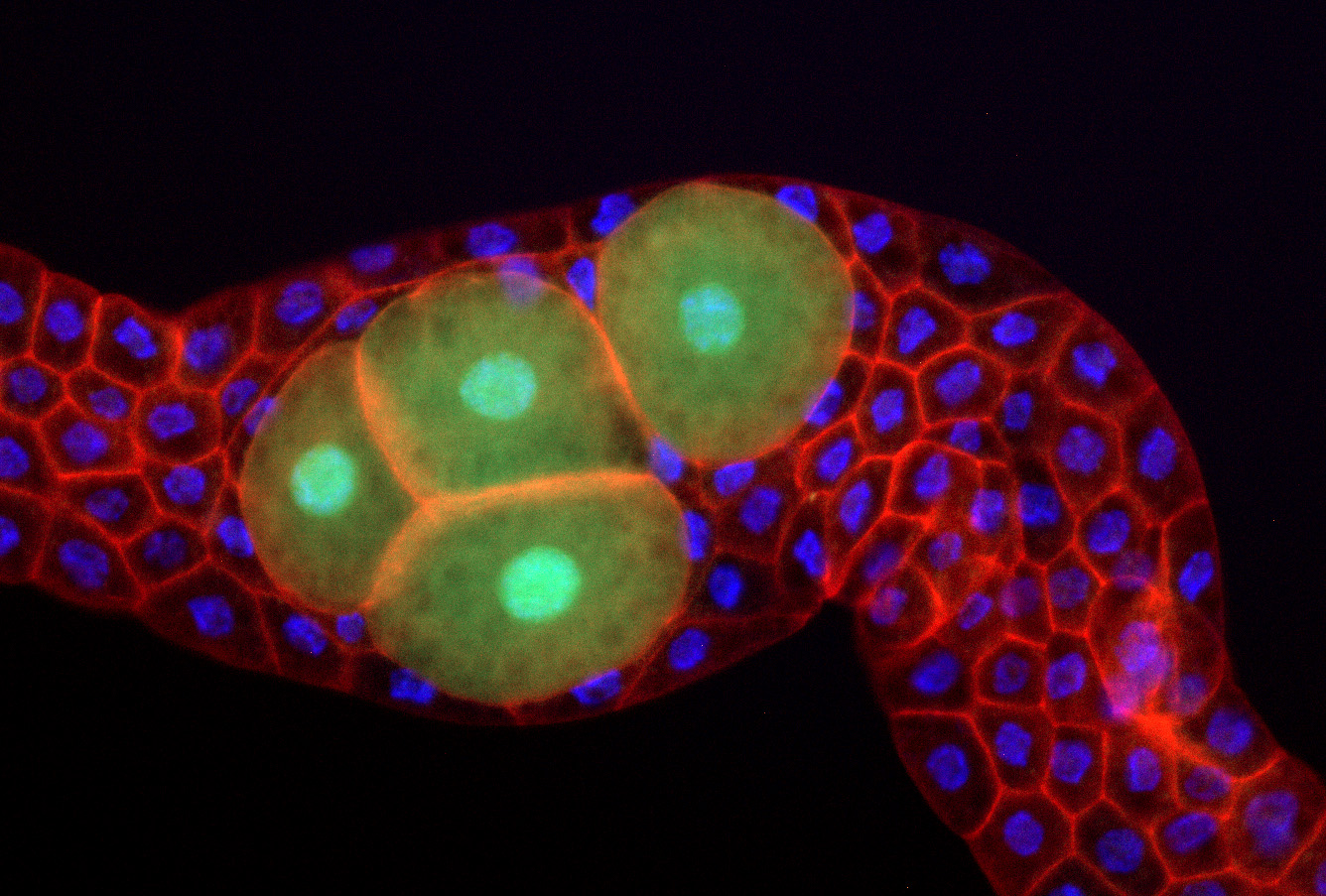
In the control of growth, we’ve shown that TOR signaling in nutrient-sensing tissues such as the fat body drives the biosynthetic and bioenergetic programs, ribosome and tRNA synthesis, and mitochondrial metabolism, that build tissue and body mass (see Metabolic control of growth). Under low oxygen, we’ve shown that suppression of TOR signaling in the fat body is instead required to trigger the metabolic adaptations that protect the animal from hypoxia (see The regulation of hypoxia tolerance).
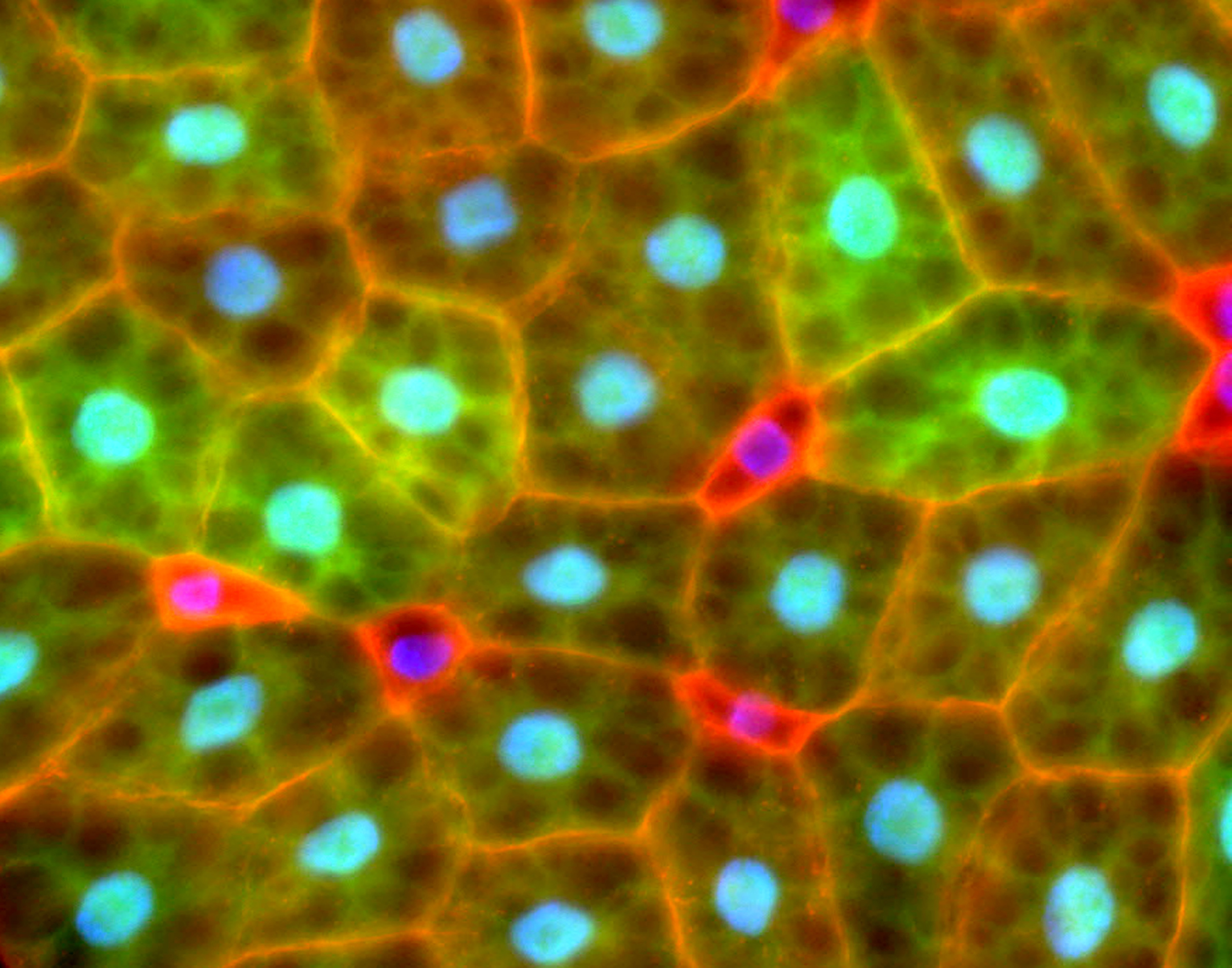
We have also found that TOR signaling also plays a protective role during infection. We showed that enteric bacterial infection induces TOR activity in the gut and fat body, independently of the canonical IMD innate immune pathway, and that this induction limits excessive depletion of host lipid stores to promote survival (Deshpande et al, 2022).
Ongoing work in the lab is focused on further understanding both the environmental stimulus-specific and cell/tissue-specific effects of TOR signaling in the control of growth and homeostasis.

