We use Drosophila as an in vivo model to study how growth is controlled across a whole animal and our work here follows two main threads: mitochondrial metabolism, and the machinery of protein synthesis. In particular, we have been interested in explorign how the regulation of these two responses in key nutrient-responsive tissues can coordiante overall body growth and development.
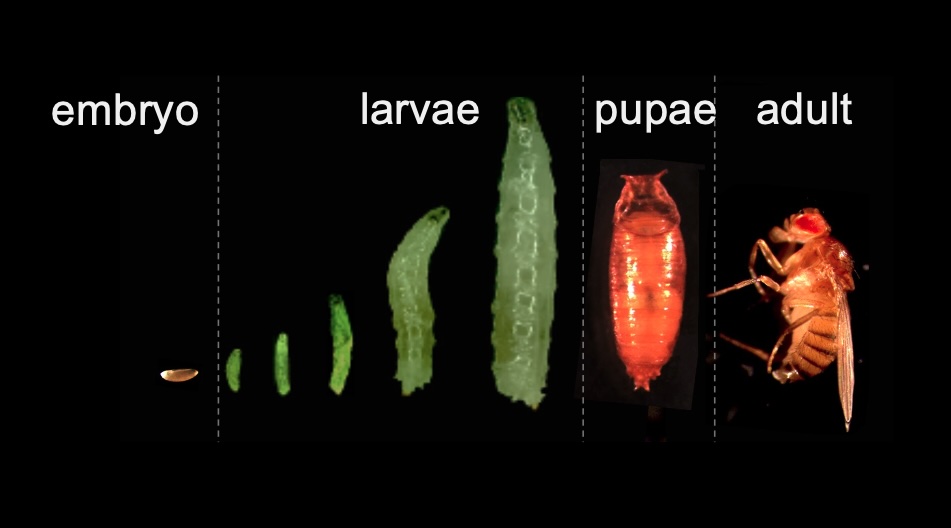
Mitochondrial metabolism and the control of organismal growth. We’ve shown that mitochondrial activity in metabolic and immune tissues is a key regulator of whole-body growth in Drosophila. Lowering mitochondrial oxidative phosphorylation in the fat body, by knocking down the mitochondrial regulator TFAM, unexpectedly accelerates larval growth by altering adipokine and systemic insulin signaling (Sriskanthadevan-Pirahas et al, 2022). We went on to show that this fat-body TFAM activity is controlled by nutrient/TOR signaling, linking nutrient status to mitochondrial function and growth timing (Sriskanthadevan-Pirahas et al, 2026). We have alo found that the same mitochondria-growth link operates in hemocytes, the fly’s macrophage-like immune cells, where lowering mitochondrial activity suppresses cytokine and insulin signaling to restrict body growth (Sriskanthadevan-Pirahas et al, 2023).
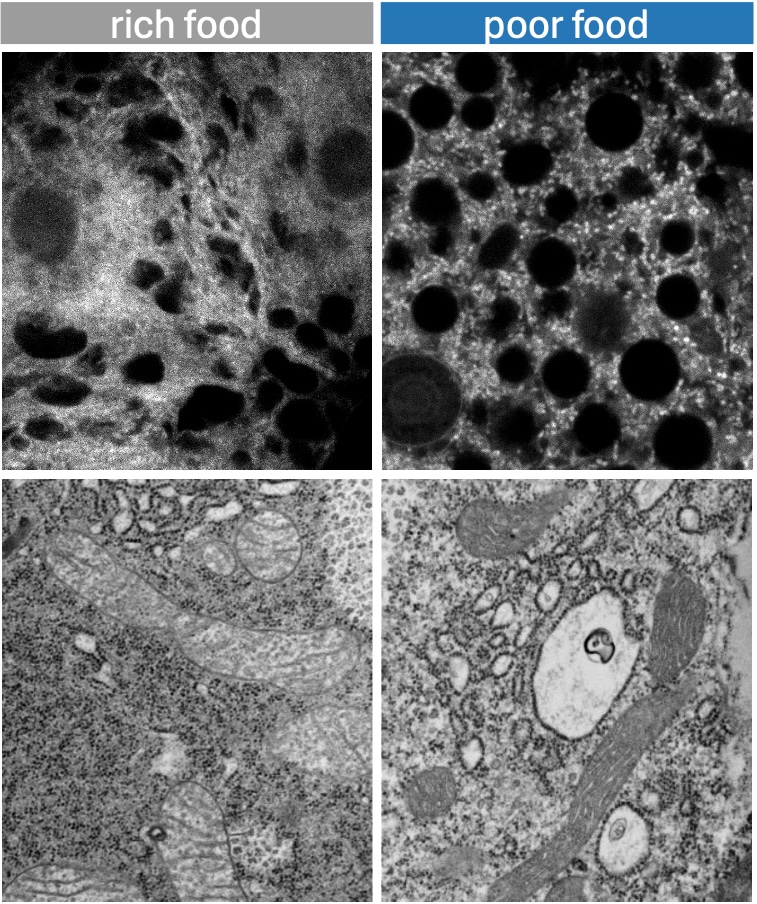
Protein synthesis and the control of tissue and body growth We’re also interested in how cells build the machinery of protein synthesis, the ribosomes and tRNAs, and how this is tied to growth. We’ve shown that nutrient/TOR signaling controls ribosome synthesis through the transcription factor TIF-IA, and that this is needed to maintain normal body growth (Ghosh et al, 2014). We’ve also shown that TOR controls tRNA synthesis through the Pol III repressor Maf1, and that increasing tRNA production alone is enough to accelerate growth (Marshall et al, 2012; Rideout et al, 2012), and found that the Ras/ERK growth pathway uses this same Maf1 mechanism to drive tRNA synthesis and proliferation (Sriskanthadevan-Pirahas et al, 2018). We have also shown that ribosomal protein function in a small population of serotonergic neurons controls the neuroendocrine timing of development, revealing a cell type-specific role for ribosomes in whole-animal growth control (Deliu et al, 2022).
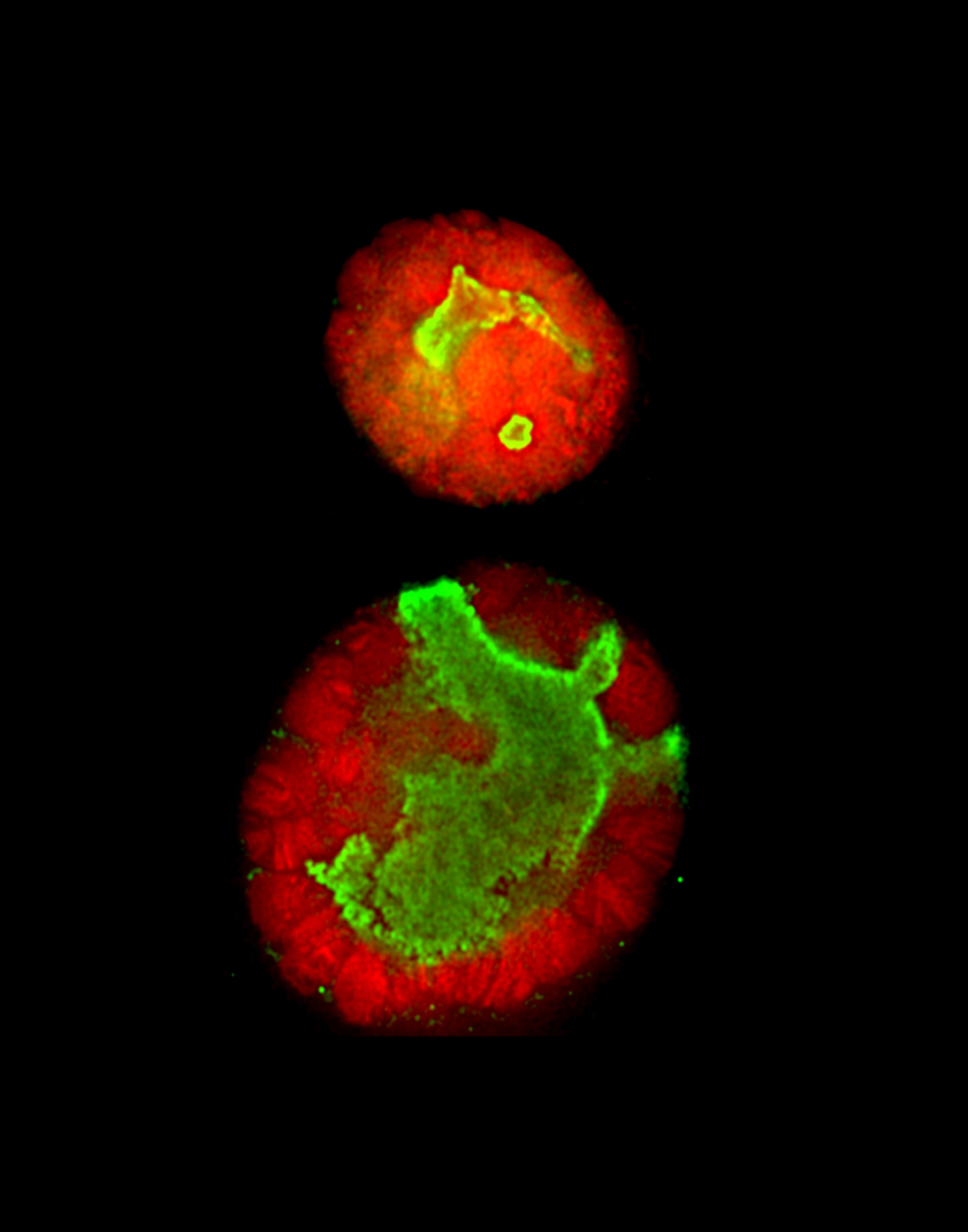
We are currently addressing several broad questions raised by this work:
- What do these pathways tell us about diseases of growth and metabolism, including cancer?
- How do individual tissues coordinate their metabolic state with the growth and development of the whole animal?
- How does nutrient availability get translated into the cellular decisions that build new biosynthetic and bioenergetic capacity?
- How general are these mechanisms of metabolic growth control across different cell and tissue types?

